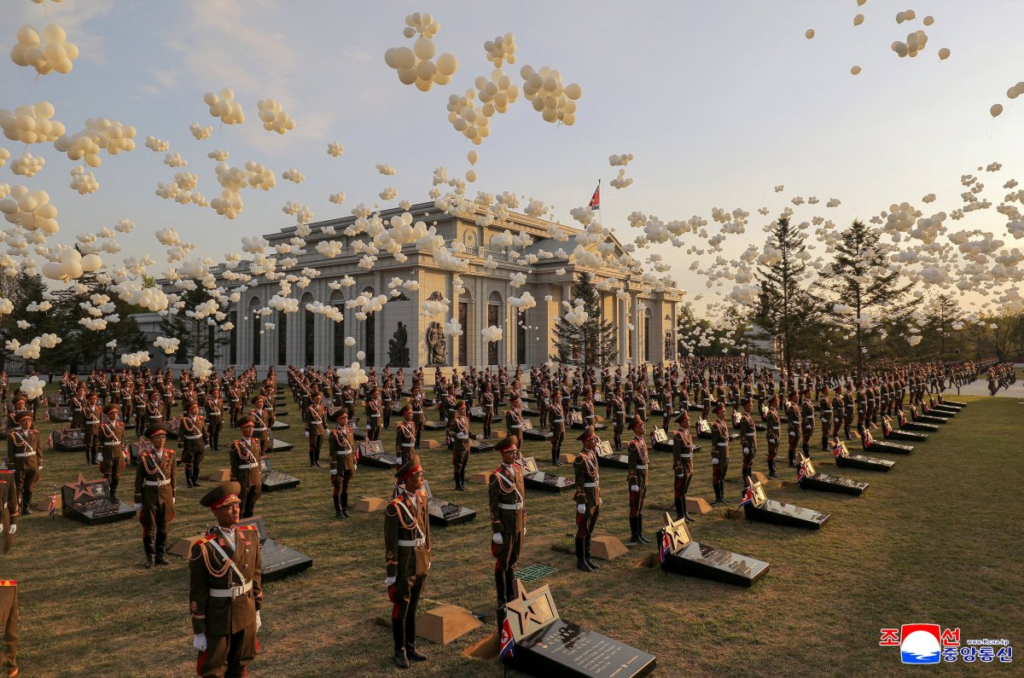
North Korea has opened a state-run museum dedicated to soldiers killed while fighting alongside Russian forces—a move analysts say signals deepening military ties and a strategic shift in Pyongyang’s foreign policy narrative. The museum, located near Pyongyang, marks the first official commemoration of North Korean troops engaged in active combat overseas, a significant departure from the regime’s traditionally isolationist posture.
This development follows growing evidence that North Korean personnel have been deployed to support Russian operations in Ukraine, primarily in non-combat roles such as artillery and drone operations. The museum’s existence implies not only direct involvement but also a willingness to publicly memorialize it, suggesting casualties were high enough—or politically useful enough—to warrant national mourning.
A Symbolic Shift in DPRK’s Military Posture For decades, North Korea has framed its military sacrifices around resistance to American imperialism and the defense of national sovereignty. The Korean War remains the central trauma in state propaganda, with monuments, films, and school curricula focused almost exclusively on that conflict.
The new museum breaks that pattern. Instead of portraying foreign intervention as an act of aggression, it reframes international combat as a noble extension of revolutionary duty. Statues of soldiers in hybrid uniforms—part KPA (Korean People's Army), part modern tactical gear—are displayed alongside Russian-made weapons and maps of Eastern Europe.
This isn’t just about honoring the dead. It’s about redefining loyalty. The narrative now suggests that fighting alongside Russia isn’t just strategic—it’s ideological. State media described the fallen as “internationalist martyrs,” a term once reserved for volunteers in Cold War-era conflicts like Angola or Vietnam.
But unlike those earlier engagements, which were covert or minimally acknowledged, this museum is highly visible—inviting foreign diplomats, state journalists, and carefully selected citizens. That visibility sends a dual message: to the world, that North Korea is a legitimate military partner; to its own people, that sacrifice beyond borders is now part of the national duty.
Evidence of North Korean Involvement in Ukraine
While both Pyongyang and Moscow have denied direct combat roles, multiple intelligence reports confirm North Korean involvement:
- Satellite imagery shows North Korean engineers and technicians at Russian drone production sites.
- Defector testimonies describe training programs in Russia for KPA personnel in artillery coordination and electronic warfare.
- Ukrainian forces have recovered North Korean-made ammunition, including 152mm artillery shells, on battlefields in Donetsk and Zaporizhzhia.
- Western intelligence agencies report that hundreds of North Korean troops have been deployed in advisory and support roles since late 2023.
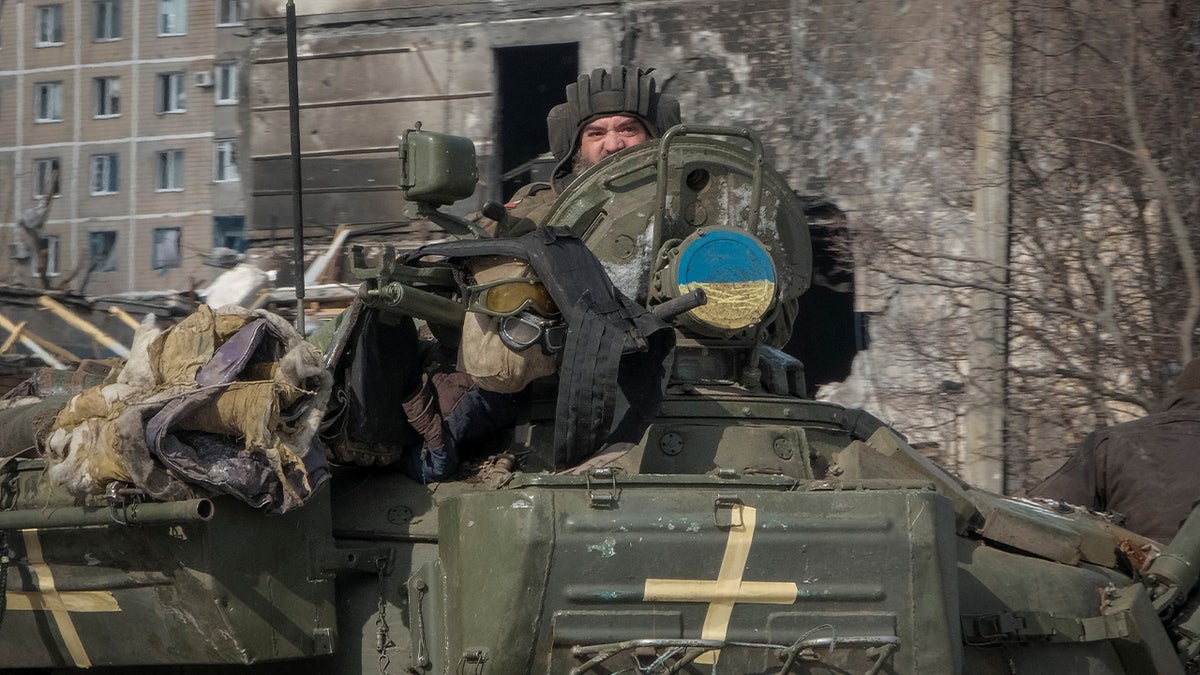
The museum’s exhibits include personal effects of deceased soldiers—dog tags, letters home, and even smartphones with final messages. One display shows a soldier’s last text: “We’re moving north. Cold. Miss my mother.” These artifacts, while possibly curated for emotional effect, lend credibility to the claim that lives were lost.
What’s unclear is how many. North Korean state media has not released casualty figures. Estimates from South Korean intelligence suggest between 200 and 300 troops have been killed or wounded in the conflict. If accurate, that would represent one of the deadliest foreign deployments in DPRK history.
Propaganda, Grief, and Control
The museum serves multiple purposes beyond commemoration. It functions as a tool of social control, reinforcing state narratives about sacrifice, loyalty, and the evils of Western imperialism.
Guided tours emphasize the “betrayal” of Ukraine by NATO, portraying the war as a proxy conflict orchestrated by the U.S. to weaken Russia—and by extension, North Korea’s last major ally.
One exhibit compares U.S. actions in Iraq with NATO’s support for Ukraine, using identical language: “Regime change under false pretenses.” Another section displays wreckage of Western-supplied weapons, labeled as “instruments of death funded by American tax dollars.”
But the emotional core of the museum is personal. Rooms are dedicated to individual soldiers, with family photos, school records, and handwritten poems. These humanize the regime’s messaging, transforming abstract policy into intimate loss.
Yet access is tightly controlled. Ordinary citizens cannot visit without special permission. School groups are brought in selectively. The message is clear: grief is permitted, but only within state-sanctioned boundaries.
Why Now? Timing and Strategic Messaging
The timing of the museum’s opening is significant. It follows months of stalled diplomacy between North Korea and the U.S., failed summits, and increased joint military drills between South Korea and America.
By memorializing troops who died fighting for Russia, Kim Jong Un strengthens his hand in two ways:
- It solidifies the alliance with Moscow—showing Russian leadership that North Korea is willing to pay a human cost for partnership.
- It signals resolve to Washington—demonstrating that Pyongyang no longer operates in diplomatic isolation and has powerful allies willing to reciprocate support.
The museum also distracts from domestic issues. With food shortages and economic stagnation worsening, the regime uses nationalist sentiment to redirect public attention. Mourning soldiers abroad gives citizens a shared emotional experience—one that reinforces loyalty to the state.
The Role of Military Aid in the Russia-North Korea Pact
While the museum honors the dead, it also highlights the broader military exchange between the two nations. In return for personnel and munitions, North Korea has received advanced Russian technology, including satellite imagery systems, aviation parts, and possibly components for nuclear and missile programs.
Reports suggest Pyongyang has supplied over 10,000 containers of artillery shells and rockets to Russia since 2023. In exchange, Russia has provided fuel, grain, and technical assistance to North Korean industries.
This transactional relationship blurs the line between alliance and arms trade. The museum, however, reframes it as brotherhood. One mural depicts Kim Jong Un and Vladimir Putin clasping hands over a map of Eurasia, with the slogan: “Together Against Imperialism.”
But the reality is more pragmatic. North Korea needs resources. Russia needs ammunition. The museum legitimizes what is, at its core, a survival pact.
International Reactions and Diplomatic Fallout
The opening has drawn sharp criticism from Western governments. The U.S. State Department called it a “disturbing glorification of involvement in an illegal war,” while NATO urged China and other regional powers to pressure North Korea to cease military cooperation with Russia.
South Korea’s response was particularly pointed. President Yoon Suk-yeol stated that “any nation enabling Russian aggression will face consequences,” and announced new sanctions targeting North Korean shipping and financial networks.
China has remained cautious. While Beijing opposes foreign intervention in Ukraine, it also fears escalation and increased U.S. military presence in Asia. Official statements have avoided direct condemnation but emphasized the need for “peaceful resolution.”
Meanwhile, human rights groups have raised alarms about forced conscription. Defectors report that some soldiers sent to Russia were coerced, with families threatened if they refused. The museum’s heroic narrative may obscure a darker truth: that many of the so-called martyrs had little choice.
What This Means for Future Conflicts
The museum sets a precedent. If North Korea is willing to publicly acknowledge and mourn troops in Russia, it may do the same elsewhere. There are growing concerns about potential deployments to other conflict zones where Russia is active—Mali, Syria, or even the Arctic.
It also raises the stakes for future engagements. If another soldier dies abroad, the regime now has a template for how to respond: memorialize, mythologize, mobilize.
For the Kim regime, war is no longer just defensive. It’s exportable. The museum isn’t just a tribute to the dead—it’s a blueprint for the future.
A Calculated Tribute
with Global Implications
North Korea’s decision to open a museum for troops killed fighting for Russia is more than a memorial. It’s a strategic declaration.
It confirms military collaboration with Russia at the highest level. It reshapes national identity around international combat. And it challenges the West’s ability to isolate the regime.
While the exhibits may be staged and the narratives manipulated, the underlying shift is real. North Korea is no longer just a rogue state surviving in seclusion—it’s an active player in global conflict, willing to spend its most precious resource: its people.
The museum stands as both a warning and a promise. To enemies: we are not alone. To allies: we will fight beside you. To its citizens: sacrifice has a new frontier.
For observers, the lesson is clear: the rules of engagement have changed. And the cost—measured in lives and geopolitics—is rising.
FAQ
What should you look for in North Korea Opens Museum for Troops Killed in Russia Fight? Focus on relevance, practical value, and how well the solution matches real user intent.
Is North Korea Opens Museum for Troops Killed in Russia Fight suitable for beginners? That depends on the workflow, but a clear step-by-step approach usually makes it easier to start.
How do you compare options around North Korea Opens Museum for Troops Killed in Russia Fight? Compare features, trust signals, limitations, pricing, and ease of implementation.
What mistakes should you avoid? Avoid generic choices, weak validation, and decisions based only on marketing claims.
What is the next best step? Shortlist the most relevant options, validate them quickly, and refine from real-world results.