Medieval art didn’t just show people—it weaponized the body.
From stained glass to stone carvings, the human form wasn’t rendered for beauty or realism. It was a vessel: for divine presence, imperial authority, social order, and moral instruction. In an age where most couldn’t read, images did the preaching. And the body—distorted, glorified, punished, sanctified—became the central stage where theology and politics collided.
This wasn’t mere representation. It was rule.
The Body as Divine Interface
In medieval Christian thought, the body was neither purely physical nor entirely spiritual. It was the meeting point between the mortal and the divine. Art reflected this duality—not as philosophy, but as visual doctrine.
Christ’s body, especially, was the ultimate theological statement. Crucifixion imagery evolved from early symbolic crosses to full-bodied, suffering figures by the 10th century. This shift wasn’t artistic—it was doctrinal. The imago dolorosa, the suffering Christ, emphasized the reality of the Incarnation: God had truly taken flesh, suffered, and died.
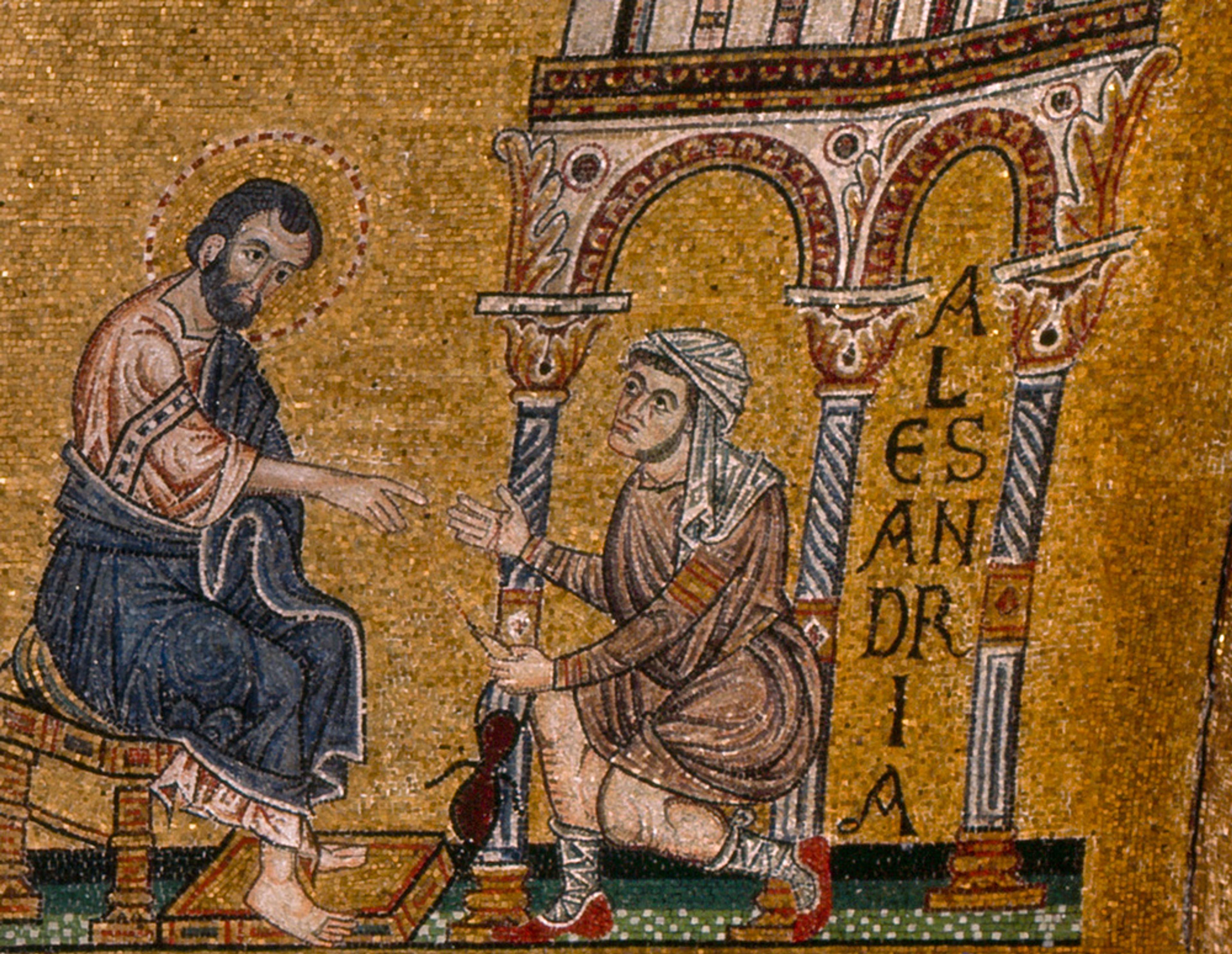
Paintings and sculptures made this tangible. In Byzantine mosaics, Christ’s body is rigid, symmetrical, glowing—not with blood, but with divine light. His wounds are present but clean, almost decorative. This wasn’t about agony; it was about triumph. The body, even in death, radiates power.
But in Western Europe, particularly after the 12th century, depictions grew visceral. Gethsemane scenes show sweat like blood. The flagellation panels in Gothic cathedrals drip with realism. These weren’t just devotional tools—they were theological arguments. The physical suffering proved the metaphysical truth: salvation required embodiment.
Example: The Gero Crucifix (c. 970) in Cologne Cathedral shocked viewers with its swollen torso, slumped head, and visible pain. It wasn’t just a crucifix—it was a sermon in wood. Monks used it to meditate on Christ’s humanity, reinforcing the idea that divine grace entered the world through a real, bleeding body.
This emphasis trained worshipers to see their own bodies as capable of holiness—or damnation.
Saints’ Bodies: Politics Woven in Flesh
Sainthood in the Middle Ages wasn’t just spiritual—it was territorial.
The relics of saints—bones, clothing, even drops of blood—were political assets. Cities competed to house them. Kings legitimized rule by association. And art played a key role in selling the miracle.
Saints’ bodies in paintings and sculptures were never neutral. They were tools of persuasion. Consider depictions of Saint Maurice, a Roman soldier martyred for his faith. By the 13th century, German artists began portraying him as a Black man—unusual in a predominantly white artistic tradition. Why? Because the Holy Roman Emperor wanted to claim Maurice as a patron of imperial authority. His Blackness wasn’t incidental; it emphasized exotic loyalty, divine election, and the universality of Christian power.
Similarly, Saint Catherine of Alexandria appears in countless altarpieces with her wheel shattered, her body unharmed. The image isn’t just about endurance—it’s about intellectual virtue triumphing over pagan torture. Her youth, beauty, and scholarly attributes (often holding a book or breaking a philosopher’s sword) made her ideal for female convents, where she modeled the ideal nun: chaste, learned, unyielding.
Use case: A 14th-century manuscript from Paris shows Catherine debating pagan scholars, her body framed by glowing halos while her opponents writhe in confusion. This wasn’t just storytelling—it was institutional propaganda, reinforcing the Church’s authority over reason and dissent.

Saints’ bodies also justified territorial control. The Translation of Saint Nicholas scenes, common in Italian frescoes, show bishops and nobles escorting relics with armed guards. The body in motion becomes a symbol of transferable power—spiritual authority moving from East to West, from desert martyr to urban cathedral.
Gender, Control, and the Female Body
Medieval art didn’t just depict women—it policed them.
The female body was a site of theological anxiety. Was Eve the gateway to sin? Or was Mary the vessel of redemption? Art had to resolve this contradiction—and it did so through rigid visual codes.
Virgin Mary is always clothed, draped in blue (a costly pigment, signaling divine favor), her head bowed in humility. Her body is concealed, yet monumental. In Byzantine icons, she’s the Theotokos—God-bearer—her eyes large, distant, otherworldly. She isn’t a mother comforting a child; she’s a throne for the divine.
Meanwhile, Eve is often shown naked, small, cowering beneath the Tree of Knowledge. In the 12th-century tympanum at Autun Cathedral, she covers herself half-heartedly, her posture twisted in shame. The contrast is deliberate: one body saves humanity, the other damns it.
But female saints complicate this binary. Joan of Arc, though later than the core medieval period, was depicted in posthumous art as both warrior and virgin—her armor hugging a slender, androgynous frame. The image negotiates her threat to gender norms: she’s holy because she suppressed her femininity.
Common mistake: Modern viewers often assume medieval art celebrated female piety. In reality, only bodies that renounced sexuality—through martyrdom, virginity, or asceticism—were glorified. Art showing Saint Agnes with a lamb, or Saint Lucy holding her eyes on a plate, isn’t compassionate; it’s a warning. The female body must be controlled to be saved.
Royal Bodies: Divine Right in Visual Form
Kings didn’t just rule by birth—they ruled by body.
Coronation images in medieval manuscripts show kings anointed, crowned, holding orbs and scepters. But the real power lies in how their bodies are framed. They’re often larger than attendants, bathed in gold leaf, standing on elevated platforms. Their posture mimics Christ’s: frontal, symmetrical, unmoving.
In the Coronation of Louis VII (12th century), the king is shown receiving the crown from a bishop, but Christ hovers above, blessing the act. The message? Kingship flows from God through the Church. The body of the king is a mirror of Christ’s—sacred, inviolable, chosen.
Charlemagne’s image, even after death, was manipulated for political ends. Coins and statues depicted him with a long nose, broad forehead, and stern gaze—features associated with wisdom and imperial dignity. His body, real or imagined, became a brand of authority.
Workflow tip: When analyzing a royal portrait, ask: Is the ruler touching sacred objects? Is he inside a church? Is he shown healing (like the “king’s touch” for scrofula)? These aren’t details—they’re claims. The body becomes a ritual tool, enacting divine power.
This symbolism had limits. Usurpers were rarely depicted. Kings who lost power, like Edward II of England, were erased from manuscripts or shown in disgrace. The body in art, once exalted, could be unmade.
Lepers, Jews, and the Marginalized Body
Not all bodies were elevated. Some were excluded by design.
Lepers appear in medieval art not as victims, but as warnings. In cathedral carvings, they’re shown with peeling skin, bandaged limbs, often holding clappers to announce their approach. But their placement—near church doors, just outside sacred space—tells the real story. They were ritually unclean, a threat to the spiritual body of the Church.
Jewish figures were similarly coded. In scenes of the Crucifixion, Jews are often grotesque: hooked noses, dark skin, aggressive gestures. These weren’t realistic portrayals; they were anti-Semitic propaganda. The body becomes a marker of theological error—physically corrupted because spiritually blind.
Limitation: Modern restorations sometimes soften these images, but doing so erases the political function of medieval art. These depictions weren’t fringe—they were central to how communities defined holiness: by who was in and who was out.
Even the poor were visually disciplined. Beggars in frescoes are hunched, ragged, often ignored by saints or nobles. Their bodies signify moral failure, not structural injustice. Charity scenes emphasize the giver’s virtue, not the receiver’s dignity.
Art as a Tool of Social Order
Every inch of a medieval artwork had purpose.
A stained glass window in Chartres doesn’t just tell Bible stories—it ranks the cosmos. At the top: Christ in Majesty. Below: apostles, angels, saints. Then: kings, bishops, knights. At the bottom: peasants, sinners, the damned. The vertical body of Christ mirrors the vertical hierarchy of society.
This wasn’t accidental. Bishops commissioned art. Monks painted it. Nobles funded it. The body in art reflected who held power—and who should obey.
Even domestic objects carried messages. A 14th-century ivory mirror case might show the Annunciation on one side and a knight jousting on the other. For a noblewoman, this linked Mary’s obedience to ideal female conduct—faithful, passive, fertile.
Practical example: The Très Riches Heures du Duc de Berry cycles through the months, each showing laborers in fields. But they’re tiny, bent, almost insect-like. The duke, meanwhile, appears in prayer, large and centered. The body in work is minimized; the body in devotion is magnified.
Art didn’t just reflect medieval values—it enforced them.
Conclusion: The Body Was Never Just Flesh
Medieval art didn’t depict bodies—it deployed them.
Every pose, wound, garment, and gesture carried weight. The body was where theology became visible, where politics became sacred, where power was justified. Christ’s suffering proved divine love and Church authority. Saints’ relics extended influence across borders. Kings’ anointing fused monarchy with divinity. And the excluded—women, Jews, the sick—were shaped into cautionary images.
To understand medieval art is to see the body not as passive form, but as a site of control, conflict, and belief.
Look beyond the gold leaf and Latin inscriptions. The real story is in the flesh.
FAQ
Why are Christ’s wounds so clean in Byzantine art? Byzantine theology emphasized Christ’s divinity over physical suffering. Clean wounds symbolized resurrection power, not death.
How did relics influence political power? Cities with major relics attracted pilgrims, wealth, and papal favor. Possessing a saint’s body was like holding spiritual real estate.
Was nudity always sinful in medieval art? Not always—Adam and Eve were shown nude before the Fall, but their posture and expression still conveyed shame or innocence.
Why are kings often shown larger than others? Hierarchical scaling (hierarchy of size) visually signaled importance. Bigger figures held greater spiritual or political rank.
Did medieval artists study anatomy? No—realistic anatomy wasn’t a goal. Proportions followed symbolic, not biological, rules.
How did art control female behavior? By contrasting virtuous women (Mary, virgin martyrs) with sinful ones (Eve, Mary Magdalene), art promoted chastity and obedience.
Were there any positive depictions of lepers? Rarely. Some saints, like Saint Lazarus, were associated with lepers, but even then, healing—not inclusion—was the focus.
FAQ
What should you look for in How Medieval Art Turned the Body Into Sacred Power? Focus on relevance, practical value, and how well the solution matches real user intent.
Is How Medieval Art Turned the Body Into Sacred Power suitable for beginners? That depends on the workflow, but a clear step-by-step approach usually makes it easier to start.
How do you compare options around How Medieval Art Turned the Body Into Sacred Power? Compare features, trust signals, limitations, pricing, and ease of implementation.
What mistakes should you avoid? Avoid generic choices, weak validation, and decisions based only on marketing claims.
What is the next best step? Shortlist the most relevant options, validate them quickly, and refine from real-world results.